

By taking these steps, they can streamline the transaction process, reduce the likelihood of errors, and safeguard their financial interests. The bank reconciliation process aligns the bank statement with a company’s accounting records to maintain accurate financial records. Outstanding checks pose challenges to this alignment because they represent transactions recorded in the books but not yet reflected in the bank statement. Addressing these discrepancies is essential to ensure accurate financial statements.

What should I do if I have an outstanding check?
- Rely instead on automation that can help you streamline check identification, trigger correspondence, and compile reports.
- Our system schedules tasks and notifications so you can focus on other priorities with the confidence that no deadline will be overlooked.
- Of course, this is a simplified answer, and it may take more than one attempt to re-connect with the payee of the check, especially if the payee has moved or is otherwise difficult to locate.
- ◦ Be sure to tell them that you issued a stop payment on the original check.
- If the account balance is insufficient when the check is eventually cashed, the payor may face overdraft fees.
- This can lead to complications when reconciling accounts and maintaining accurate financial records.
When the payee deposits the check at a bank, it requests the funds from the payor’s bank, which, in turn, withdraws the amount from the payor’s account and transfers it to the payee’s bank. When the bank receives the full amount requested, it deposits it into the payee’s account. Skip the paper chase and embrace the digital age with electronic payments – because nothing says ‘I’m modern’ like avoiding outstanding checks. According to Investopedia, at least 50% of small businesses encounter check fraud of some kind.
What happens to an uncashed personal check?
- Checks that remain outstanding beyond a certain time frame could become void, so if you hold such a check, you might be out of luck if you then wish to deposit it.
- Outstanding checks aren’t necessarily inherently bad; however, there are some risks and downsides to have checks linger.
- Outstanding checks pose challenges to this alignment because they represent transactions recorded in the books but not yet reflected in the bank statement.
- The payee’s bank will request money from your bank, and the transaction concludes when your bank sends funds to the payee’s bank.
- An outstanding check remains a liability of the payer until such time as the payee presents the check for payment, which then eliminates the liability.
- For example, a business may mistakenly assume it has more liquidity than it does, potentially leading to financial strain or overdraft fees.
- Before sending one, ask the payee to return the old check to eliminate the possibility of both checks being deposited, either intentionally or unintentionally.
After all, you still owe the money, and you’ll have to pay it sooner or later. Your first step should be to use an accounting system that deducts any uncashed checks from your available funds. After that, there are a few more steps you can take to track down an old check. Businesses must track outstanding items to avoid breaking unclaimed property laws. If payments to employees or vendors remain uncashed, they eventually must turn over those assets to the state.
Factors Leading to a Check Remaining Outstanding
Additionally, banks must comply with anti-money laundering (AML) regulations, which may require additional scrutiny of long-outstanding checks. Strong internal Medical Billing Process controls and clear communication among all parties are essential to mitigate these risks. Explore the financial implications of outstanding checks, including their effects on account balances and reconciliation processes.

Reasons Why Checks Aren’t Cashed
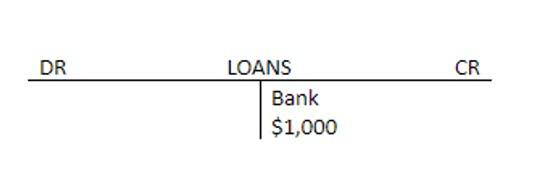
An outstanding check represents a payment that has been written but not yet cleared by the bank. In a double-entry accounting system, an outstanding check is considered a credit for the check writer, since credits record outgoing money. The funds have been earmarked to be deducted from their bank account, even though the actual cash hasn’t been withdrawn yet. normal balance For the recipient, the outstanding check is considered a debit, since debits record incoming money. The recipient is awaiting the receipt of funds that have been promised through the check. It’s important to know what an outstanding check is and the potential risks that go along with them.

What does it mean when a check says “void after 90 days”?
Bouncing an outstanding check can lead to financial consequences, such as fees imposed by the bank, damage to your credit rating, and potential legal actions from the payee. Be mindful of what outstanding checks you’ve written before drawing down your bank balance. Checks that remain outstanding for long periods of time cannot be cashed as they become void. Some checks become stale if dated after 60 or 90 days, while others become void after six months. A check is a financial instrument that authorizes a bank to transfer funds from the payor’s account to the payee’s account.
What can happen if an outstanding check is not cleared?
- Eisen’s automated alerts and reminders keep you informed of upcoming due dates specific to each state’s requirements.
- It’s important to know what an outstanding check is and the potential risks that go along with them.
- This eliminates the need for paper checks and reduces the likelihood of having to deal with issues related to outstanding checks.
- Ask the check’s originating bank if you’re unsure of how long you have to cash or deposit a check.
- By regularly reconciling your accounts, you will be able to see deferred payments and overlooked deposits.
It is crucial to understand the implications of having unpaid bills, delayed vendor payments or employee salaries. The most common risk is being charged penalties due to outstanding amounts past their due date. This leads to decreased cash reserves which affects capital expenditure budgets. ◦ Once voided, be sure to mark the old check outstanding checks as voided in your checkbook.
Recent Comments